March 14, 2013
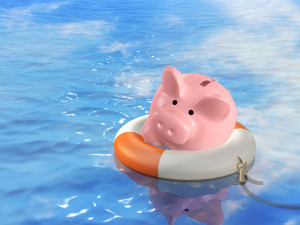 You work hard for the money you earn, so saving money might not be a priority. However, it is important that you have an emergency fund in case the unexpected should occur. My mentor and first boss at my management training program taught me these five reasons you should have emergency savings.
1. You lose your job: With the struggling economy, companies are being forced to lay off employees. Just because you are an outstanding employee does not mean you are not susceptible to unemployment. In addition, you could be the victim of health issues, so you cannot work. Whatever the reason, having an emergency fund will help pay the bills while you are not working.
2. Medical Bills: You never know when you will encounter a major medical condition. You could be diagnosed with a disease, or you could be in an accident that could result in serious injuries. Your medical insurance will only last for so long before you are required to pay the bill. A savings fund will help you pay the mortgage and other bills, so you can avoid foreclosure.
3. Your car decides to quit: You are driving down the road, and you hear a loud clanging noise. You take your car to the mechanic, and the news is not good. You must have a car to get to work or to the store. You will then decide if it will be cheaper to get the car repaired or just buy a new one. Your emergency savings account will prevent you from going into debt.
4. A family member dies: If a loved one dies and you need to get to the funeral, you can dip into your emergency savings to purchase a plane ticket. If you drive, gas is expensive, so you will need extra money to cover the cost. You might also need to help cover funeral and burial expenses.
5. Home Repairs: Your air conditioning goes out in the middle of the summer, or your roof starts leaking during a flood. Your refrigerator might decide to quit working. In addition, you never know when your home insurance might suddenly increase. By having emergency savings, you will be able to pay the bill without putting it on your credit card or taking out a loan.
Emergency savings can prevent you from having serious debt problems or from selling off your assets. If you have invested in gold for instance then that’s something you want to be able to hold on to. You can use the money from your savings account rather than going deeper into debt. Saving money is important to prevent financial problems.
Tags:
budgeting,
economy,
financial planning,
Funding,
money,
savings
February 21, 2013
 The unfortunate truth is that many people will find themselves short on cash at some point this year. Even the most financially responsible individuals may run into hard times, and they may need access to a quick source of money for a few days. For example, when your child is sick or you are in a car accident, you may be faced with lost income as well as various expenses. This and many other events can and do happen, and they can be costly. Some people may have enough money saved in their savings account to get by, but if you don’t, what should you do to get over this rough patch?
Credit Cards
Credit cards may be the source of quick money that many people initially will consider. You may have one or more credit cards in your wallet right now that you can pull out and use at a moment’s notice. However, keep in mind that a cash advance on these cards can be very expensive, and often, there is a higher interest rate and an extra fee associated with this. Furthermore, if your cards are maxed out, this is not an option for you. As a final note, consider how long it may take you to pay your credit card balance off. Any new charges to your account today will increase your minimum monthly payment until the balance is paid in full, and this can affect your budget for months to come.
Paying Bills Late
If you don’t have money available to pay your bills, it may have crossed your mind to simply not pay those bills. Eventually, you will get caught up, and you can pay your bills as funds become available. However, keep in mind that there are costs associated with simply not paying the money that you owe to your creditors. Many creditors will add a sizable late fee to your account balance, and they will continue to add onto the total you owe. For example, if you owe $100 to a creditor today, that creditor may charge a $30 late fee for not paying your account. Next month, you may owe $200 plus the $30 late fee. This can be a costly route to take, and it can result in you digging yourself into a financial hole that can be difficult to get out of. Furthermore, your credit rating may be ruined if you fail to make your payments on time, and this can affect your ability to obtain affordable financing for many months or years.
Short-Term Loan
A final option to consider is to apply for a short-term loan. Canada cash loans from www.CashLoans.ca are one of these options. These loans do have typically higher interest rates than long-term loans, but they have a short term and can provide you with access to the cash you need in a short period of time. You will not have to contend with late fees, increases to minimum monthly payments or how much credit you have available on your credit cards.
Each financial situation is unique, so it is important to consider how each of these options may be applied to your life. Ultimately, many individuals will have access to one or more of these options, and you may keep these points in mind as you make a decision that is best for you.
Tags:
Cash Flow,
debt,
economy,
expenses,
finance,
money,
planning
February 4, 2013
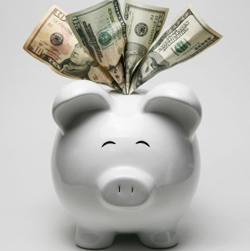 Moving ranks close to root canals on the list of items people would rather avoid. Here’s six questions everyone should ask themselves to help make moving less financially stressful.
1. How Much Are You Moving?
Whether you have the contents of a dorm room or a three-bedroom house can make a large impact on the cost of your move. Each box and each piece of furniture will carry its cost in time, sweat, and cash. Pare down as much as you can. Donate and trash anything that you haven’t used in the last a year to free up moving space.
2. How Will You Store Your Stuff?
If you are moving to a smaller place or have a temporary lull until the final location is available, using storage units might be necessary. Again, rent the smallest unit available that will hold your items and be sure to use sturdy stackable containers that are moisture-resistant. Look at the design of the new home and plan ways to store and organize your belongings before moving in.
3. Will You Need Outside Help?
If you have furniture or major appliances, you should request help from friends and family. Use their help to navigate large items with a dolly into the moving van. If friends or family have trucks or trailers, use those before resorting to renting a moving truck. Unless you are moving extremely large amounts, you likely won’t need to hire a moving company.
4. How Much Do You Need for Utilities?
Make sure to reserve some money in the budget for new setup of utilities. Many require a deposit, installation fee, or other initial costs. This includes electric, water, gas, cable, phone and internet, and garbage removal. Also, if you are the owner of the property, you’ll want to change the locks.
5. Where Can You Find Packing Supplies?
Buy your materials in bulk from a warehouse club or shipping outlet rather than the moving company. Or better yet, ask local retailers if they have boxes that they can give you for free. Make sure to clearly mark each box for the room it belongs to. Keep one “open first” box that includes toilet paper, cleaning wipes, trash bags, and whatever you need to sleep the first night. In all the chaos, it will be nice not to have to hunt for those items.
Tags:
budgeting,
Cash Flow,
financial planning,
money,
savings
December 21, 2012
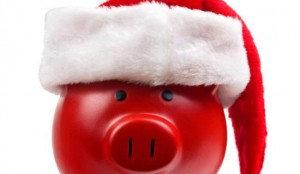 Thanks to rising costs in general and the need to save a bit more, Christmas has started to get harder to deal with on a financial basis with each new year. Those with big families tend to find it the hardest, but everyone can benefit from a few simple budgetary tips.
There are so many options and methods to be implemented to ensure that you are not overstretched at Christmas and all shouldn’t be too hard to apply to your festive spending habits.
- Although this is perhaps a tip that is a bit late, it is certainly one that is effective; the tip being to start your Christmas shopping early. This allows you to take your time and survey all the numerous offers and sales that are almost certain to be in effect. Remember to look on the internet as well as the high street for deals.
- Using online vouchers or eMoney will help restrict your expenditure, as well as ensure your payments are safe and anonymous. Online vouchers from somewhere such as Ukash only allow you to put a certain amount of money on them and so you can’t spend any more than you have on the voucher.
- Setting a maximum budget for all the people on your shopping list allows you to see the most you will spend on Christmas presents and so you can budget for that set amount, because as long as you don’t go over it, you can set your other budgets in relation to your shopping list.
- Another good tip is to buy early if you’re buying online. Some online stores hike up the delivery prices in the run up to Christmas to take advantage of those late to Christmas shopping and have no choice but to pay the heightened prices.
- Ensure that you are realistic about what you can afford and that you have considered all the other expenditure that is coming out that month that might include heating, gas and water, as well as the likes of travelling costs over the festive period.
Implementing these tips will help you save bundle of money each Christmas and may even inspire you to more helpful tricks to help curve expenditure at one of the most expensive parts of the year.
Tags:
budgeting,
Cash Flow,
Christmas,
Festive Season,
financial planning,
money,
savings
October 30, 2012
 Saving money on day-to-day expenditure is one thing, but reigning in your habits to save even more is another one of life’s challenges and involves taking account of your spending behaviour on things that you just don’t need.
Everybody has habits in life and there are always ways that you can use them less to save more money. Such spending habits include eating out, drinking (alcohol) and smoking.
There are so many people that refuse to cook in the home and so pay more for the likes of takeaways and meals in restaurants which can put a really stretch on their finances. Eating out should be a nice treat and not something that should be a common occurrence, unless you’re absolutely made of money.
It is so much cheaper to do a modest shop at the supermarket and begin cooking food at home to cut down the costs. Reserve one weekend of every month to treat you and your family to a night out and these nights out will feel special and can be something to look forward to, as opposed to ruining the effect with several each week.
Smoking is a habit that costs individuals not only their health, but also a ton of money. Those who are on about 40-60 cigarettes a day will be spending into the hundreds each week and so cutting down or dropping the habit completely will enable you to save bundles of cash.
An alternative if you’re struggling to quit completely is to switch from the conventional cigarette to electronic cigarettes. E cigarettes are made so that you don’t inhale of the chemicals of a standard cigarette and also help you save money, as they are reusable and so the need to keep buying cigarettes is removed.
If you buy Electronic Cigarettes from Freshcig.co.uk you’d be able to both rein in your spending, as well as increase your health along the way.
Drinking can also be an expensive and unhealthy habit to participate in. Alcohol is a massive expense to some, as they feel the need to always have some in one form or another in their fridge or wine rack.
Like eating out, having a good drink with friends or just as a reward after work should not be seen as a regular thing and should again be regarded as a treat.
If you are able to combine all of these, then you will be able to save a great deal of money and in some cases, enjoy a much healthier lifestyle.
Tags:
budgeting,
cash,
financial planning,
money,
Persoanl Finance,
savings,
Tips



 You work hard for the money you earn, so saving money might not be a priority. However, it is important that you have an emergency fund in case the unexpected should occur. My mentor and first boss at my management training program taught me these five reasons you should have emergency savings.
 admin •
  6:32 am •


Recent Comments