April 15, 2018
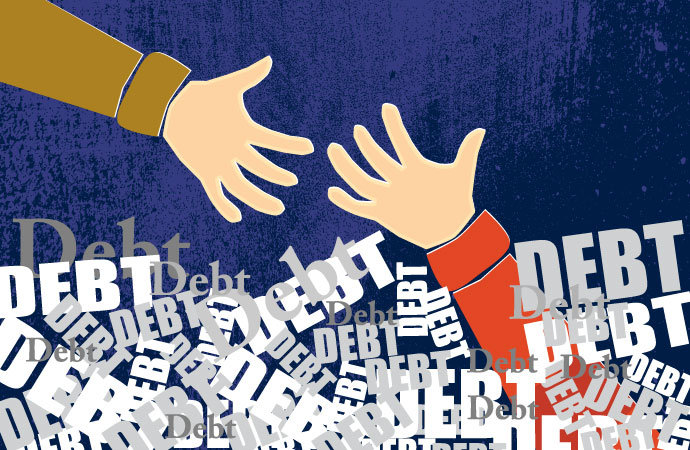
 As the saying goes—out of sight, out of mind. And for many, this has been the motto for their pensions. However, the launch of auto-enrolment schemes, increased media coverage and a growing awareness of retirement has shifted these attitudes.
According to the Q2 2017 edition of the Tackling The Savings Gap Consumer Savings and Debt Data report, 598,000 employers were enrolled in a workplace pension scheme. Over the 12-month period, they contributed a collective £87.1 billion. With the popularity of personal pensions continuing, it’s clear to see that Britain is certainly more aware of their pension responsibilities.
Could our other financial commitments be holding back our personal pension savings? The Q3 2017 edition of the report suggests so. During the quarter, 45% of survey respondents failed to make a pension contribution; this was most common in 45 to 54 year-olds (47%). 18 to 24 year-olds had the second largest proportion of people who failed to contribute (44%).
Consider the above in relation to what the report also found. Findings show that a third of its respondents worry about money on a daily basis, while 37% admitted to lying about their debt. Perhaps then it’s not because of a lack of awareness; it may be because their financial situation simply won’t allow them to make a contribution.
Pension contributors added £203 on average to their pensions during Q3 2017. In contrast, the average amount of debt taken on by UK consumers each month stood at £370—significantly higher than the amount put towards their pensions.
A total of £143 per month is spent on average on purchases that are later regretted, the Q3 2017 report found. This includes purchases across food, clothes, alcohol and other items. If this money was invested in a pension instead for the full span from age 30 to 65, it could translate into almost £320,000. Based on the fact that Brits believe they will need £23,000 annually to live comfortably in retirement, this amount would be enough to fund 13 years of retirement.
This monthly spend breaks down to £4.70 per day. As the above example shows, investing this amount instead could lead to a comfortable start to your pension pot for retirement. As such, we shouldn’t underestimate the impact that small yet regular contributions can have. This underlines the importance of better financial management to allow us the capacity to add such funds to our pension pots.
To help you learn more about how much you could potentially need for retirement, True Potential Investor has created the Saving For Retirement: How Much Will You Need? quiz. By answering a series of questions, you can get an idea of the potential pension pot you’ll need—take the quiz today to find out more.
Tags:
budgeting,
debt,
economy,
financial planning,
loans,
money,
Pension,
personal finance,
Retirement,
savings
January 1, 2017
 Most families have accumulated a significant amount of debt due to auto loans or credit cards that have been used over the years. Acquiring debt can make it easy to feel limited with your finances, which can make it difficult to make ends meet. To become debt-free and obtain financial freedom, there are a few important steps to take.
1. Create a Budget
Creating a budget will allow you to determine how much money you can afford to put towards your debt each month. Calculate your household income and write down your expenses, which will allow you to get an idea of how much debt you will pay off with each paycheck.
2. Establish Goals
Establishing goals to pay off your debt in a specific time frame will make it easier to stay on track and avoid losing focus with paying off the debt in full.
3. Cut Coupons
You can save more money each month to put towards your debt by cutting coupons in the newspaper for food and household items that you already purchase. Combine manufacturer coupons and store coupons to double your savings.
4. Pay Off Lowest Balances First
Paying off the accounts that have the lowest balance first, which will allow you to stay motivated and will reduce the amount of money that you pay in interest each month. There are some credit repair companies that can help you consolidate and repay your loans.
5. Avoid Eating Out
Reduce the money that you spend each month by making your meals at home and avoid dining out when you’re on the go. Prepare meals and have easy snacks on hand to take to work and stay within your food budget.
6. Shop at Secondhand Stores
Shopping for clothing or goods at secondhand stores can allow you to avoid paying full price for products that your family may need when it comes to purchasing school clothes or work attire.
7. Use the Envelope System
Convert your paycheck into cash and transfer it into different envelopes to avoid overspending and track how much you have left to spend. This will allow you to become more conscious of how much money you spend without relying on a credit or debit card.
Although it can be challenging to pay off debt as a family, there are several lifestyle changes that can be made to make progress with the money that you owe. By establishing rules with your finances and making goals, you can track the money that you pay off to ensure that you obtain freedom in a realistic time frame.
Tags:
budgeting,
credit,
debt,
financial planning,
loans,
money
September 19, 2016
 Home Debt is one of the most common occurrences you may face. A Home debt occurs when the borrower is unable to pay back the amount within his due time. Home Debt, in the beginning, may be a little confusing to you, but you have to find a way out of it. Home debt has pretty simple solutions, which if followed is bound to yield results. During the time you are in debt, you have to keep a tab on expenses, income, savings and different budgets.
Supervision of your capitals
Management of funds during a debt is of utmost importance. The first step to that is to form a budget. You should assign a certain amount as your designated monthly budget and have to be careful in maintaining it. No matter what happens, you cannot allow yourself to go beyond the budget. Make a list of things of your Needs and Wants. This way, you will have an idea about your immediate requirements. You can keep you wants on hold for some time till your finance stabilizes. Make a list so that you pay off your bills by the end of the month. It will prevent a Home backlog at the starting of the next month.
Alternative Funds and Coverage
Insurance and some monetary benefit policy for you and your family turns out to be very advantageous for a debt. In the event of medical emergency, you can use your health insurance to cover the expenses. Hence, something as unpredictable as illness or accidents will not put a sudden strain on your finance. It is also vital for you to make an emergency fund. An emergency fund is something where you out in a portion of your salary for emergency purposes. Having an emergency fund and a health insurance during a debt makes it simpler for you to save during a crisis. A financial policy is something that you can use if the household debt situation worsens.
Paying back your obligations
To pay back your debts, you have to use a part of your income and part savings to maintain the balance. You can take up an extra job. It will help increase the revenue and make it easier to pay. You can make a plan of paying your debts. The smaller debts, you can pay back first. For the bigger debts, you can opt for a debt consolidation loan for bad credit; Debt consolidation is where all your large amount debts are converted into one loan. This loan has a lower interest rate than other loans. Lower interest rate means lower interest amount. You can also take help from non-governmental debt relief firms. They have the expertise as well as experience for all sorts of debt management. To know more about these, check out the various sites on net by tapping the click here icon.
Knowing your privileges
It is important for you to be aware of your rights during a debt crisis. You have the legal right to ask for the change in the payment arrangement for debts. You cannot go to prison on the eve of your inability to pay the dues. If the creditors feel that you have deliberately denied their payment even while you could afford it, they would ask for a negotiation. Many of your creditors are legally obliged to consider your request for a special payment arrangement during your Home hardship. Being aware of your rights will help you deal better with a stressful situation like these.
Tags:
budgeting,
debt,
financial planning,
Interest Rate,
loans,
money,
savings
October 13, 2015
 Take a seat
The stock market can be a confusing place for a newbie. While it’s true that you learn as you go along, you need to come into trading having some basic knowledge of how the market runs and how to play it. At the very least, you should be able to define some common terms so that your investment portfolio manager doesn’t have to speak in a certain way to you…if you get what I mean.
So this is a simple guide into first time investing with all the fancy terminology and great tips. You certainly won’t become a billionaire by sticking to this simple guide but you certainly won’t lose your hard-earned money, and that’s a pretty good deal, right?
Basic terminology
Stocks and funds are not the same thing. A stock is a share in a company that you can buy, hold and sell in the market or privately. A mutual fund consist individual investors buying into different companies together. It is managed by a team of professionals.
If you don’t want to manage your investment, then a mutual fund may be the way to go but then you could also hire a certified financial planner to manage your individual stocks, at a cost of course.
Trading and investing are also slightly different terms. Trading refers to the actual and frequent buying and selling of stocks or funds. Investing, on the other hand, has to do with a long-term approach so the movement of stocks or funds is not as frequent.
Have a plan
No one has money to waste in stocks so you need to have a clear plan going in. You need a CEO and a CFO for the planning and budgeting respectively. This doesn’t mean you should hire people. The point here is to emphasize the need for a vision and a plan as well as a budget and more importantly a reserve fund, in cash, to take care of any emergencies. The reserve fund will help you not have to sell the investment before time, or worse, get into more debt.
Get the capital
Part of plan is to know what you are going to invest i.e. where the cash is coming from. Saving may take too long to make the kind of investment you are thinking about so consider using your 401(K). Most employers have it and it’s pretty easy to have it as your investment capital. Some companies even have ‘classes’ over lunch explaining how it works and would even match your investment dollar for dollar. If you start early, you could have the retirement of your dreams!
Set up a brokerage account
You will need to get a brokerage account with a credible, licensed firm that will conduct your trading and manage your account for you. This is not for free of course, so you will be funding this account. The money will be in the cash portion of the account and used to settle orders. Stocks bought and commissions are debited from this cash, while stocks sold, interest and dividends are credit here as well (which you can withdraw).
Now you’re ready to start the business of buying and selling; and that’s a whole other class. Good luck!
Tags:
Business,
debt,
financial planning,
investments,
money,
stock,
Stock Market
January 21, 2015
 Just as the name implies, a short term debt financing stands out as a financing form that involves a financial obligation a company has to fulfil in a shorter period of time when compared with regular financing options. In most situations we are talking about a maximum of 2 years, although 1 year financing is usually offered.
Many companies opt for short term debt financing because of the fact that they want to have more working capital available or it is possible to need more money as day-to-day operations need more cash. Cyclical operation conditions or companies that are faced with international trade need such financing in various situations.
According to Today’s Growth Consultant Reviews, there are 4 types of short term debt financing that you can consider:
This is basically an instant credit extension offered by the lending institution. As a company gets the overdraft agreement, it can transmit or draw down cash from the account beyond the balance that is available. Credit amount will always depend on overdraft limits that are negotiated with banks. In this case the advantage is that you will only take out as much as you need for the operation activity when it is necessary.
A credit letter is basically a letter that comes from the bank and guarantees payments towards sellers. Sellers are guaranteed that amounts will be received during credit period. In this situation the advantage is that the company is usually going to be offered a better overall credit term when dealing with a supplier.
These are loans that have to be repaid in a short period of time, together with the associated interested. This is a loan that is not revolving and usually has a completely fixed repayment period. A company can use it in order to gain more liquidity as working capitals are lower or are necessary (for instance, for paying creditors or buying stocks).
This document will bind a party to pay an amount of money at a fixed rate to the secondary party at a specific date. In most cases this is a bill that appears when dealing with international trade. Exporters can grant a credit for the importer for the goods shipped with an exchange bill for the amount.
Short Term Debt Financing Qualification
In order to receive such financing you do not need to think about formal qualifying criteria. Usually, the company needs to hold a stronger business case that supports business viability and owner capital. A supplier can offer a short term credit for the purchases in order to enhance competitiveness. The bank will offer overdrafts and short term loans in order to earn an interest and build client relationships. To put it simply, if the company is transparent in operations and financials, there is a strong possibility that such financing would be offered.
Tags:
budgeting,
credit,
debt,
Debt Problems,
economy,
financial planning,
money,
personal finance



 As the saying goes—out of sight, out of mind. And for many, this has been the motto for their pensions. However, the launch of auto-enrolment schemes, increased media coverage and a growing awareness of retirement has shifted these attitudes.
 admin •
  5:41 pm •




Recent Comments