August 1, 2021
 If you want to increase the sales in your business, then extending credit is an excellent opportunity for you in this regard. Cash is very important in any industry. But the important thing is where the money will come from in your business?
This article will discuss how to improve cash flow with factoring and invoice finance in 2021.
What Is Factoring?
When accounts receivables are sold, it is known as factoring. Businesses can sell their invoices and then make cash flow instantly rather than waiting for them to pay the company. If you are having trouble in the cash flow situation, this can solve your problem as a business. Factoring started back in the 15th century, and it is still being utilized in industries to maintain cash flow.
Advantage
The advantage of factoring is that the factoring company which will purchase your receivable will take the title to the invoices and will collect them when they are due. The company will be responsible for all the costs and the work that manages the debt from customers.
Disadvantage
There is one disadvantage to factoring, and it is that it’s not inexpensive! This process is utilized with growing businesses that are having cash flow problems temporarily. But if you are a business with cash flow problems in the long run, then this is not a good thing for you to implement in your company.
Benefits Of Factoring
1. Instant Cash
Factoring is a good way to instantly improve the cash flow in a company because it brings in quick cash. As a business, you can receive immediate payment in cash after invoicing a customer order at the time of shipment. The turnaround time is only 24 hours. When a business is making a purchase of invoices for the first time, it will take at least two weeks to check the credit ratings.
2. No Debt
There is a misconception about factoring that it is a loan. To clear out all the doubts in your mind, it is not a type of loan, but it is a sale of assets in the form of invoices. If you are a company that does not want to indulge in more debts, then it is a good option for you if you are looking for an alternative way to finance your company.
3. Fewer Collections
In factoring, the seller does not have any responsibility for collection because the company will purchase all the rights in the invoices. The factoring company will be responsible for the debt collection, but in the end, you will be the one who is liable to pay any part of the cash price that was not collected.
Conclusion
If you are looking for an alternative way to finance your company in the short term, then factoring is a good option for you in this regard. But if you are not a company with long-term cash flow, then it is not recommended for you because it can cause trouble for you as a small business. Otherwise, it is a great way to bring quick cash flow into your organization.
Tags:
budgeting,
Business,
Cash Flow,
credit,
Debts,
economy,
financial planning,
loans,
money
December 6, 2020
 If you are wondering how you can improve the chances of getting a car financed then this article has got you covered with the details.
Any further you need to realize that why your car finance gets refused. l one of the main reasons is your credit score. If you own a bad credit card loan score then this will be the reason for a refusal. The lender will scan through your history to see whether you are trustable or responsible enough or not. If your history reflects multiple late payments or any missed payment then this is not in favor of your credit card history and it can seriously negatively affect your credit cards.
Many a time the refusal is also due to no history. If you own little history in the credit card then lenders will be reluctant in offering you car finance loans. Remember that with no credit card history it becomes hard for the lenders to decide whether you are a good candidate for loans or not and most likely they pass on.
But don’t worry there are certain measures which you can take to Boost Your chances for approval. There are a few ways through which you can improve your chances of getting your car finance despite your bad …
Let’s speak into the details below. If you truly need to boost chances of getting approved then you need to scan your credit card file carefully. You don’t have to invest anything as this checking is completely free. make use of a referencing agency like Equifax. There are a few things that you need to check in your credit file.
Accurate Information Information
While scanning your credit file ensure that all the information is not only up-to-date but also accurate. Bear in mind that a minor error in your address can negatively affect your credit score. No matter how small the mistake is, you need to spot it and contact the agency directly for fixing it as soon as possible.
Fraudulent Activity
After checking for the accuracy you need to spot anything which looks fishy. If anything looks fishy you just need to contact the agency for correcting that unfamiliarity. There can be a possibility that anyone else had applied for the credit on your name before.
Disassociation
You need to detach yourself with any financial link that has a potential of harming your overall credit file. There can be a possibility that you have taken a Credit with your partner in the past and this can impact your credit file quickly. So you need to see whether you’re still on Active finances with those financial links if not then go with the disassociation option..
Paying Bill
After checking for all those details in your credit file you need to take some annual action for improving the overall bad credit loan. For instance, you should pay your bill on time.
This might sound a very simple option but many people are not availing it for benefit.
If you will be paying your bills on time then lenders will have confidence to trust you and they can count you as a responsible person to pay back their car finance loans.
Tags:
Auto Loans,
budgeting,
Car Finance,
credit,
Credit Score,
loans,
money,
personal finance
November 24, 2020
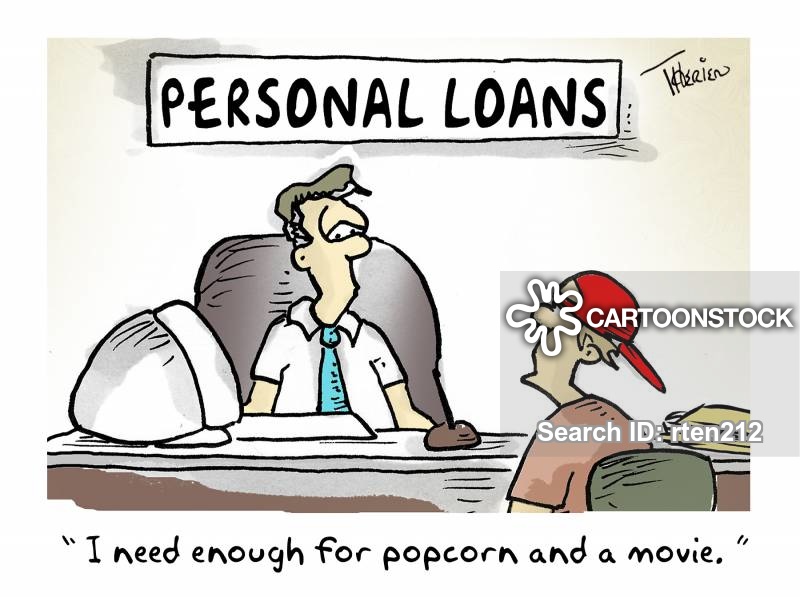
 A personal loan is money that is borrowed for your personal purpose which mainly includes debt consolidation, student loan, unexpected medical bill or even buying a new appliance. The money is returned by you with interest in monthly installments from time to time which usually lasts from two to five years. As has been seen, nowadays most of the personal loans are unsecured which means that they are not backed up by the collateral. APR is known as the annual percentage rate which determines the interest you pay on that loan. There is no fixed APR and may vary from scenario to scenario but it ranges from around 6% to 36% with an average of around 9.41%. APR depends upon your income, credit score, debt, and creditworthiness. If you were looking to apply for a personal loan and didn’t know how to apply for it then you have come to the right place. This article will guide you through how to apply for a personal loan.
How To Qualify For A Personal Loan
There are many things and steps that shall be kept in mind in order to qualify for a personal loan. For example, if a person wants to borrow a loan for remodeling his house or buying a new car, then the equity loan would surely come with a lower interest rate. These are not like unsecured personal loans as you are not solely judged on creditworthiness. On the other hand, these instant cash loans are secured by the home you want to remodel or the car you want to buy.
Decide How Much To Borrow
One should be definite enough to determine how much exact money that he needs to borrow. One should definitely keep in mind that you don’t need to just repay the original loan but you have to repay along with the interest. A sane person would not borrow extra money just so that he would pay interest on money that he would not need. This is the reason why you should decide on how much money to borrow. One should also make sure that he would be able to afford the payment with all the interest including. It has been seen that in many cases, people opt for way too high instant cash loans and are unable to pay back in the end which not might end up good.
Check Your Credit
It is of no surprise that instant cash loans heavily rely on creditworthiness. One should check their credit scores and should obtain the credit reports from each of the three major credit reporting agencies such as Equifax, TransUnion, and Experian. Referred to as soft inquiries, none of these actions will impact your credit score. It will only impact when you apply for a loan and lenders opts for a hard inquiry. There are many credit card and loan companies out there which provide free monthly credit score which is found beneficial for applying for an instant cash loan.
Tags:
budgeting,
credit,
economy,
Interest Rates,
loans,
money,
Mortgage interest rates,
personal finance
October 22, 2020
 Are you in a credit card debt? Credit card debt is something that most adults out there tend to struggle with. However, for some, it becomes a frightening cycle in which they might get stuck for the rest of their lives. As per a recent study report, it was revealed that around 75 percent of consumers having credit cards tend to carry around $6200 as the average balance.
Lately, in the year 2019, credit cards having higher than average balances had increased by as much as 3 percent. This implies three-quarters of earning adult population is trying to manage credit card debt in some way or the other. This is the reason why learning to manage, and paying down your credit card debt turns out to be more important than ever.
Here is our guide into managing credit card debt like a pro:
#Learning How to Use Credit Cards Responsibly
When you are trying to get out of credit card debt, the first thing that you would like to ensure is to understand the proper use of the credit card. Credit cards serve to be great financial tools for aspects like earning reward points, building the credit card history, and serving as a highly secure way of ensuring payments other than cash.
When you make use of the credit card responsibly, it also implies that you are expected to pay the bills on time for the given due amount. When you do not aim at paying your bills on time, it is going to ultimate harm the overall credit. This is because credit history turns out to be the biggest factor that is regarded when you are analyzing the credit score.
Huge amounts of debts would also reflect poorly on your overall credit score. Therefore, it is recommended that you should not make use of the credit cards out of your financial limits. You should aim at making use of the credit cards for buying what you need within the budget and have the ability to pay back.
#Knowing Your Budget
A budget serves to be a detailed plan about how you will be managing your money. This can be done by tracking your overall dollars that you earn as well as spend. A budget helps in providing you a clear picture of your overall financial life. It also allows you to be aware of the extra money that you are required to spend or the loss of money that you have currently.
When you are aware of the budget, it serves to be a vital part of your debt management strategy. This is because it reveals how much money you will have for paying your bills on time while paying down the debt. Particularly when it comes to paying off the debt, you will be required to know the amount of free cash flow that you should put in additional funds for debt payments.
#Paying More Than the Minimum Payment
With the passage of time, when you pay only the minimum amount, it will end up costing you more money. This is because as you would carry a balance on the respective credit card, balance accrues interest on a daily basis. However, when you are paying the full balance off as per the due date, you will not be getting charged any interest.
#Understanding the Credit Utilization Rate
Do you know what credit utilization rate is? A credit utilization rate is regarded as the ratio between the amount of revolving credit that you have in comparison to how much is available out there. Individual credit utilization rate is a major part of what will be used for determining the credit score.
A lower value of the credit utilization rate implies that your credit cards have not been maxed out. This also implies that you are managing the overall credit properly.
On the other hand, a higher credit utilization rate implies that you are not spending your money wisely while having higher amounts of debt related to credit cards.
As per the ideal credit utilization rate, it is expected to be around 30 percent. If the same goes above 30 percent, then you should aim at lowering the credit utilization ratio in the respective management plan for your credit cards.
Lowering the same will help in decreasing your debt while increasing the credit score.
#Improving the Spending Habits
If you are not adept at your spending habits, you should aim at fixing the same right away. Poor habits including spending more than what you are earning are not right. It is recommended that you should consider changing the spending behavior to be in line with the respective budget.
You can consider implementing techniques for effective money-saving like buying on sale, using coupons or discount codes, ensuring frugal living, and so more. All of these techniques can help in improving your overall spending while allowing you to save more to pay off all your debts.
You should take time at developing good spending habits. This will serve to be a long-term strategy for managing the overall debts & finances. You would not like to have healthy spending to serve as a temporary solution. Rather, you should aim at making the same as your long-term lifestyle habit to achieve your financial goals.
#Reviewing the Credit Report
The credit report that you have is the review of all your past as well as present credit activity. It allows you to know about every creditor to whom you owe money. Most importantly, it allows the lenders to be aware of the history of the respective debt payments. This will help in determining if they would like to loan the money to the borrowers and the interest rate for the same. The credit report is known to affect the overall ability of the borrowers to borrow money. Therefore, you should ensure that it is positive and accurate.
Conclusion
Make use of the right strategies for waiving off debt on your credit card history.
Tags:
Credit Card,
Credit Card Debts,
Debts,
economy,
financial planning,
money,
personal finance
October 18, 2019
 What do you mean by p2p lending?
Peer to peer lending is basically a method which connects lender and borrower. The process begins when an investor is interested in lending loans and they search for their match with borrowers who want the same amount. Thus people invest in p2p lending.
P2P lending has become so common and popular because it reduces many barriers for both lenders and borrowers. While small business units or borrowers can easily find their loan through it; on the other side it is also very convenient for the lenders to find their borrowers.
Before understanding any tip to invest in the secondary market you must be very clear what secondary market is all about?
Start your journey, now is the best time to take your first step towards a profit guaranteed marketing strategy. In today’s market, there are uncountable registered platforms for peer to peer lending system; In Crowd Reviewed they share all that you’d like to know about the P2P platform. Like In 2017, laws have been passed for p2p lending. In 2018, 12 platforms have been documented for legal p2p lending. It is calculated that the world P2P lending trade is valued $3.5 billion-global in 2013 and at $64 billion in 2015 is expected to reach nearly $1 trillion by 2050.
This is clear proof that the faster you start investing in P2P lending is more the profitable it will be.
What is Secondary market?
It is basically a modern marketplace where already issued loans, debuts or any other insurance can be bought or sold by the marketing company. The marketing company buys or sells insurance not from the issuing company. Insurance is firstly issued by companies in the primary market then it comes to the secondary market for sale. Some precise examples of the secondary market are the NYSE (New York Stock Exchange) and NASDAQ.
Some details of secondary marketing
If any seller is in need of money for any emergency then he can easily sell his insurance to the buyers since there is a lot of demand in the market.
The prices of the market are automatically arranged and re- adjusted due to the high number of transactions each day. The transaction expense is also very less owing to large market.
Saving money takes a lot of effort for some people, but with secondary marketing, anyone can easily save his/her money safely.
Since the secondary market has become a high source of finance so there is a high regulation in the secondary market by the government. It assures that your money is completely safe there.
Importance of secondary market
It is a good indicator of a country’s economy. Any change in the stock market is reflected in the economy.
It gives a very smooth working experience to companies who can easily buy and sell insurance from the market.
It gives a chance for investors to set up their business of investing securities and getting returns.
One of the most profitable businesses in the secondary market is through P2P transactions, also known as peer to peer investment.
The UK is known for ages for its strong economy. One of the most common investment methods in the UK is P2P lending. The best P2P lending platforms are in the UK. From 2008 – 2009 there was an imbalance in the UK’s economy. The imbalance was recovered by p2p lending only. It has a huge potential in maintaining a country’s economy. Due to the best rates and its ability to sustain, P2P lending has become a huge success.
Why should you invest in peer to peer lending?
P2P lending providers charge very little for finding a borrower which is matching with the lender. But instead, the profit that is earned is much more compared to the charges applied. No other bank or other marketing methods can give you such a profitable deal. This characteristic makes peer to peer lending the best marketing strategy for small businesses. P2P lenders give you a chance to give the role of your bank to yourself. You can simply land and borrow money through this system according to your own rates.
The main benefit of peer to peer lending transactions is that in any other kind of transaction of lending loans, the banks play the main role. In P2P, the role of bank is eliminated. As a result, the profit is much higher for both parties.
Build up your business slowly
When you first start investing start it in a decent and smart way. The right procedure is that you must start with small investments with a large number of borrowers. Divide your total investment into small amounts and lend each amount to different borrowers. So that if by chance there is some surprising irregularity in paying loans you won’t get panicked since the amount is relatively small. Check out the profile of the borrowers minutely before lending money, because you must be aware of the profile of the person you are lending the money.
Start investing and stick to it
It’s really not clever to keep your money ideal since your ideal money will not generate any profit. So instead of that invest your money for a profitable business. P2P lending is a safe way of lending securities where you can easily get your money return whenever you require them. Investment in peer to peer lending is more profitable when kept for a long time. The plans which are invested for a period of 24 or 36 months are the most profitable plans in P2P lending.
Recycle your investments
Peer to peer lending is a type of investment where the investor starts earning from the next month onwards after investing. But to play smart you must reinvest your earnings to spread your business further. Instead of enjoying your little profits plan beyond and earn great profits.
These are the three mantras to earn great profits in peer to peer lending.
Tags:
auto insurance,
Business,
Cash Flow,
College Loans,
economy,
Financial Assistance,
financial planning,
investments,
loans,
money



 If you want to increase the sales in your business, then extending credit is an excellent opportunity for you in this regard. Cash is very important in any industry. But the important thing is where the money will come from in your business?
 admin •
  5:47 pm •



Recent Comments