April 23, 2012
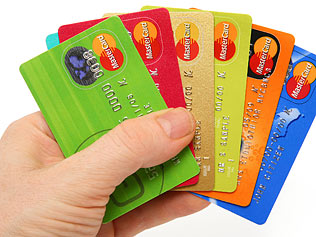
 You are an adult now. 18! You made it! Unfortunately, that means that people start bringing up adult-like things. Such as credit cards. Now, you might spring for one of those cards, after all, who wouldn’t want to spend money they don’t have yet? But, before you sign that slip of paper or call the authorization number, take just one second and think if this is really a step into adulthood that you really want to make right now.
Read The Fine Print: Credit cards are not all equal. Especially cards which are “pre-approved” tend to be pretty sketchy. You need to read the fine print that you see on the 12 pages behind that first page. You don’t need to know all of it, a lot of it will never crop up, but pay attention to things like “APR” and whether or not it is fixed. APR really means the amount of extra money you are going to pay in interest on purchases. So, the bigger that number, the more that card is going to cost you. Of course, in college you are not really going to have the credit score to be able to get a really low rated card, but get the lowest you can.
Weigh The Extra Benefits: It’s hard to find a normal credit card these days. They all offer cash-back, airline credits, or money donated to important causes. However, a lot of those cards can afford that because of the money that you are donating to the card themselves. Extra benefits are going to come at a higher cost – usually factored into the APR. So, a card that gives you 1% cash back, and charges you 25% interest is really not as great a deal as it sounds.
Different Type Of Debt: Although it may feel like your credit card debt is just like your student loans, or the car loan that you got, this credit functions differently, and it isn’t just your APR. Monthly payments on a car loan are figured to help you eventually pay off that debt. Credit card monthly payments are geared to pay off your gaining interest. Credit companies also evaluate that type of debt differently. While 20 Grand in student debt raises your future value, 20 grand in credit card debt takes you down.
All of that doesn’t mean that you can’t get a credit card – just that you have to be careful when you do. Signing on to one that you can afford is a good start. Keeping on top of it is another important thing. Keeping a credit card, and paying it off in full every month, actually raises your credit. But, that means that you can’t ever swipe the card for more money than you have in your bank account. Credit cards give you the feeling of magic money, and it can be tempting to spend, spend, spend. But, if you budget around your credit card and are careful to not misuse it, you could find yourself in a better place than you were before.
Tags:
Credit Card,
Credit card articles,
Credit Card Processing,
Credit Cards
April 22, 2012
 There’s no one among us who would turn down more money. We could all use a little extra cash. Even though we’re all the same in that respect, what we’d do with any extra money would be radically different. All of us have different spending habits and personal finances, and not all of us are very smart with our money. Everyone needs to examine their finances from time to time and look for ways to improve, but some of us need more help than others.
The following are five essential questions you need to ask yourself. If you answer no to all of them, you are in dire need of a financial makeover.
Are you happy with your spending habits?
The first clue that you need a financial makeover is if you’re unhappy with the state of your finances. You might not be able to instantly increase your monthly income, but you can do something about your monthly spending habits. If you’re not satisfied with how you’re spending, it’s time to do something about it by taking a very close look at where your money is going.
Do you have a six-month emergency fund?
One of the best things you can do for yourself financially is keep a six-month emergency fund. This fund should have enough money to pay all your bills and cover your entire cost of living for six months, just in case anything was to happen and you lose your income. If you don’t have your emergency fund yet, or if you’re tapping into it now, you probably need to make over your finances.
Are you putting away some savings every month?
Even if you don’t have a six-month emergency fund yet, you should be working toward it regularly. After everything is paid for, do you have money left over? If you do, what do you do with the leftover money? If you aren’t saving any of it, you’re going to have to start. While you should be treating yourself and enjoying your money, at least some of it should get put aside every month.
Do you have a budget?
When your paycheck comes in, do you know where it’s all going? Do you have target dollar amounts for your spending in all categories, like food, clothing, and restaurants? If you don’t, the single best thing you can do for your finances is create a budget. You’ll need to really evaluate your spending habits. When you write everything down, it will be easier to find problem areas, and it will be easier to reach your financial goals.
Are you paying off your debt?
If you have debt, you should be working to pay off a portion of it every month. Hopefully you can afford to pay more than just the minimum payment, too. If your debt is growing, you are in desperate need of a financial makeover. It is possible for you to begin paying off your debt if you make doing so one of your financial priorities as soon as possible.
Alexander Wilson is a small business owner and freelance writer who loves to travel when he can afford it. After saving for a long while he is looking to book himself a trip at one of several hotels in Maldives. His fiance has a love for island resorts and if things go well on this journey he may consider a honeymoon in the Maldives one day.
Tags:
Advice,
Business,
finance,
loan,
Makeover,
refinance,
Tips
April 21, 2012
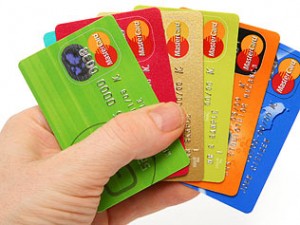 A secured card is recommended for people with challenged credit or no credit. This card requires a deposit to secure a certain amount of credit, but you will have the same privileges of unsecured cards. A secured card may be used for renting a car or for other purchases that may require a credit card.
Do I Have to Pay Interest on a Secured Credit Card?
Yes, you will be required to pay interest on the credit card if you do not pay the card in full each month. If you are late on the payments, the interest rate may be increased. The credit card company will also report your payment history to a credit reporting company. Poor payment history will damage your credit even with a security deposit.
Who Will a Secured Credit Card Help?
People Who Have No Credit History. If you have no credit history, obtaining a credit card may be difficult because creditors have no way of knowing whether or not you are a responsible person or not. A secured credit card is an excellent way to establish credit if you have none.
People Who Need to Reestablish Their Credit. Secured credit cards to rebuild credit will help clients repair their credit score over time. If your credit history is damaged, you will be able to apply for a secured credit card. Some companies will issue a secured credit card to even a person with the worst credit available.
If you have a Visa or MasterCard and make consistent on time payments, your credit card company will take notice and report this to the credit agency. The credit card company will then serve as a reference for your on-time payments and your credit history will improve.
What Privileges Do I Have with a Secured Credit Card?
Your secured credit card allows individuals to charge hotel reservations, airline tickets and rental car reservations. As long as your credit history is strong, you will have some of the same privileges as some of these other credit cards. If you pay more than the minimum on time each month, many customers may be able to qualify for an unsecured card in as little as 12 months. Secured credit cards are also protected by the Fair Credit Reporting Act.
What Happens If I Get Into Debt Again?
A secured credit card can help you avoid getting deep into debt again. If you do get in debt again and your account becomes delinquent, your security deposit will be seized and your account will be closed. This will help to minimize your losses due to debt.
To avoid getting into debt, do not sign up for a credit card with a subprime interest rate. These cards prey upon people with bad or no credit. The fees on subprime cards can easily total in excess of $200 annually. Most of your credit line may consist of paying fees on a small purchase.
Conclusion
Credit card companies understand that sometimes circumstances in this world cause us to become delinquent on our accounts. However, a secured credit offers a second chance to those who need it. Choose your secured credit card wisely to avoid paying exorbitant interest rates and fees.
Tags:
credit,
Credit Card,
finance,
money,
personal finance
April 20, 2012
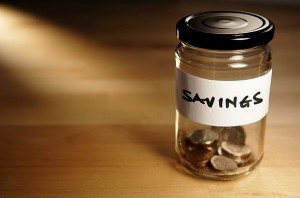 It seems that every time you go grocery shopping it is a little more expensive than the last time. Prices seem to be consistently creeping upwards by a few more cents all the time. Weather damaging the crops, animals falling ill, gas prices increasing – these and many more factors are such that their impact will be resilient enough to be felt at the grocery store as well. Instead of dreading shopping use these tips to help save money and keep your grocery bill in check –
Coupons
Coupons are a great way of saving money on groceries. There are some Sunday papers that still offer coupons to cut out. In order to get more of them do a quick search on the Internet and you will come across websites which will feature coupons. Some will need to be printed while in case of others you would simply need to load the coupon to your favorite grocery store card. Now if the coupon is used for an item that is on sale it can result in added savings. Some grocery stores double and even triple the value of a coupon up to at least a dollar.
Price Book
This is one of the easiest things to do and can take the form of a notebook or even an excel sheet. Since there are certain items like canned goods which are purchased every time, they could be written down per page or column if using a spreadsheet. List the stores that you shop at on the left and then list the normal price that is usually paid. This type of system makes it easier for tracking popular items and then comparing the sale ads to see if the best price can actually be picked up at.
Meals
Write down the meals that you would like to cook for the time in between your shopping. This makes it easier to look through the ads and see if the needed ingredients are available on sale anywhere. Planning meals helps to make the money last even longer when shopping for grocery.
Cook from Scratch
No matter how many members are in a household it always seems to be easier to come home and serve a packaged meal. This is nice but it does cost almost double than if you made it yourself. It is understandable that after a long day at work you are worn out and exhausted but it is equally important to realize that a crock pot on the counter is the perfect way to make your meals. Just put everything in it before getting ready for work and upon your arrival at night it is already cooked and ready to serve.
List
As you thumb through the ads and gather your coupons make a list while proceeding downwards. This helps you stick to buying only what is needed and hence ensures maintaining of the budget. Sometimes when walking through the store there will be items on sale that might seem tempting. However, before grabbing these it would be wise to think if the offer is a good one and if the items are truly needed at home.
Tags:
Budget,
finance,
financial planning,
Grocery,
money,
personal finance,
savings
April 19, 2012
 The forex market is played with keen eyes on algorithms, statistics and ultimately overarching trends; while statistics and algorithms are impersonal and boring, a trend is something much easier to spot for a trained eye. As such we’re going to look at what makes up a forex trading market trend, how they work, where they come from and how to know the different stages that occur. If one were to master this knowledge it would be easy enough to join in a trend when it’s high and duck out as soon as the going gets hairy. Before we get started it’s important to realise exactly what we mean by a forex currency market trend. Simply, a trend is a tendency for value to change negatively or positively over a specific period of time; they can last a long time or a briefly and can fluctuate, depreciate or ‘flatline’. This is important because success in the forex market trade relies on one being able to spot trends and take advantage of the profitable entry point or ideal exit points.
An Example of Trends
Typically a strong economic country will have a strong currency, bar a few exceptions, and economic strength is attractive to potential investors which in turn create demand for the currency. Investors demand security in gold investment as opposed to fiat currencies sometimes, so demand in gold-mining countries, such as Australia and South Africa, increase due to their industries. Knowing when investors are about to demand gold is an example of a good time to be in on the forex market schedule for a rush trend; the trend being a sharp increase in demand for Australian dollars or South African rands; hitting that demand before it happens put you in a good position. That is an example of how to play a trend; followed of course by you selling before demand drops and the trend fades.
Trends Can Dictate Success
There is a current foreign exchange or forex market dispute as to whether one should follow ranges or trends, but while trends are nothing fancy they have shown far more potential for success with skilled forex traders. I won’t get into the pros and cons of either right now, but I will mention that when you can read the forex market online and in the flesh so to speak, when you can spot a trend emerging from a mile away and when you’re so experienced that the forex market opens up to you like a book; that’s when you’ll be in a position to get the most out of your trading experience all thanks to trends.
Eugene Calvini is a writer and forex enthusiast; armed with a forex trading account he enjoys sharing his perspective and hopes to share his knowledge of a forex account with the world.
Tags:
Currency Trends,
economy,
Foreign Exchange Trading,
Forex,
Forex Market,
money



 You are an adult now. 18! You made it! Unfortunately, that means that people start bringing up adult-like things. Such as credit cards. Now, you might spring for one of those cards, after all, who wouldn’t want to spend money they don’t have yet? But, before you sign that slip of paper or call the authorization number, take just one second and think if this is really a step into adulthood that you really want to make right now.
 admin •
  11:17 am •




Recent Comments