June 23, 2012
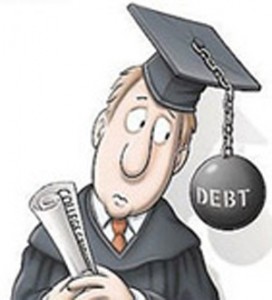 Having a difficult time paying off your student debt while in college? Let’s face it, paying off debts while you’re still studying is not that easy. For one, you have no regular source of income. But then again, there are still other options available.
Just remember that when you have an existing student loan, the interest would accumulate through years if you are unable to pay them off on time. This would further increase your financial burden so as much as possible, you have to pay off your debts on time or even earlier.
Here are some tips on how to pay off your college student debt:
1. Save money. First, you really have to save money in order to pay for your loan. For instance, you can save at least ten percent of your weekly allowance or income so that by the end of the year, you have enough money to pay off a portion of your student loan. Try to find means on how to stretch your money. Avoid spending on things you don’t really need such as brand new clothes and skip eating in expensive restaurants or fast food chains. Be practical when it comes to money.
2. Find a part time job. You can also look for a part time job while studying so you can save money to pay off your debt. There are jobs you can try online such as freelance writing, pay per click advertising, blogging, online tutorials, and more. You can start doing work from home so you can save on time and travel expenses. You can also apply as a student assistant in your university. Some universities would give discounted tuition fees and monthly allowance for student assistants.
3. Pay quarterly interest for your student loan. If for instance, you use unsubsidized loan, you can pay the interest every quarter. This will enable you to minimize the amount of interest which you will pay when you graduate. It’s like saving your money for the future. In subsidized loans, the loan would start to accumulate interest especially if it takes longer for you to finish college. Paying the quarterly interest allows you to pay the interest on the original loan amount, which in turn, helps you save money.
4. Look for other sources of income. You can also pay off your student debt by looking for other sources of income. If you can’t get a part time job for example, you can opt to conduct garage sales or other income-generating projects to help you earn money.
These are just some of the things you can do to pay off your student debt. If you are able to pay off your debt as early as possible, it will be to your advantage.
Tags:
budgeting,
debt,
economy,
financial planning,
loans,
money,
personal finance,
Students Loan
June 21, 2012
 Unemployment is not an uncommon thing today. A lot of people become find it hard to find one because they are either over-qualified or the job is a little too down for them. But did you know that you can now make money online? There are a lot of jobs online that will only require you to stay at home, it is called freelancing. Freelancing jobs can be a source of extra income for some. People do it to save money for paying the bills, the rent, and the works. Freelancing is considered a legit job, so you still have to do a credit check regularly but then again, this can also improve your credit score. Follow these tips to balance earning money and maintaining your credit.
- You are going to need to pay your bills at every end of the month. If you get to work as a freelancing designer, writer, consultant or editor consistently, then this job can help you with pay for it and not miss out on payments. Missing on payments will hurt your credit score and it may affect your credit report that clients usually look for. This is what they will use to find out if you are trustworthy and responsible so taking care of it is a priority.
- Another way to earn money online is by blogging. Companies or people can pay you to put up their advertisements on your site. You can also get paid for sharing opinions and some product reviews. Posting valid survey tests on your site for others to answer will also help you earn money. You can choose to work part time or full time, but of course, the more time you spend with freelancing, the more money you will earn.
- Some people get their salary only once a month, which can make budgeting a tad more difficult. Clients sometimes even miss out on that date and you have to wait for next month’s payday. Your bills, however can’t afford to wait that long, unless you want to jeopardize your credit score. Managing your money and earning online can prevent you from missing out on your bills. You just have to manage your money wisely and set your priorities first.
- Do a credit regularly to keep track of your report and to make sure that everything is in good shape. Some employers do a credit check without you knowing, and good credit report may land you the job or not. If you do a good job, your employer might even recommend you to others.
Your credit and your job will always be as one. There may be a lot of ways to earn money, but remember that making money will not be easy but if you can manage it well then you’ll be able to pay your bills, keep your credit healthy and keep a consistent job. Managing debt is a key to high credit score which can make your financial life better as credit score is a pass that makes you look good by the lenders and the banks.
Jack is a financial blogger and love to share financial tips to manage personal finances, improve credit score and monitor credit report free.
Tags:
budgeting,
credit,
economy,
financial planning,
money,
savings
June 15, 2012
 Controlling your finances is essential if you want to reach your financial goals. Fortunately, taking control of your money isn’t an impossible task. The following strategies have worked for millions of people who wanted to get out of debt, save money, and build wealth.
1. Put something into savings every month.
Some financial advisors name a percentage of your total income, while others name a dollar amount. Whichever method you choose, make sure that you put a percentage of your paycheck into a saving account. This is a sure-fire way to know that you are living within your means.
2. Pay off your highest interest debt first.
It’s nearly impossible to do anything without taking on debt at some point, but it is critical that you work to get your debt paid off as quickly as possible. By starting with your highest interest debt, you are insuring that you are paying the least amount of interest every month. As you pay off a loan, use the money that you were paying towards it to cover the next highest interest loan. Repeat this process until you are out of debt.
3. Have an emergency fund.
Everyone has unexpected expenses in their lives. Unfortunately, too many people choose to deal with them by pulling out a credit card. With an emergency fund, you will be able to pay for small and large disasters without relying on high-interest debt. While having several months of your expenses set aside is ideal, even having as little as $100 in a savings account can pay for minor disasters.
4. Start saving for retirement early.
With so few people eligible for pensions and Social Security becoming less and less reliable, odds are that you will have to take on the majority of the responsibility for your retirement. Fortunately, there are several different ways to prepare. The key to all of them, however, is to start saving as early as possible. By putting funds aside in your twenties and thirties, you earn the benefit of compound interest and increase the leeway you’ll have with saving for retirement in your later years. In other words, the more you put aside now, the less you’ll have to come up with later.
5. Teach your kids about money.
No matter how well you plan and save, you will someday have to pass on everything to your kids. You may even have to put them in charge of your finances for a while. Make sure that they know everything they can about money management. In addition to becoming proactive about protecting your assets, your kids will also be much less likely to make poor financial decisions that will have them asking for a loan.
While no strategy or piece of advice will prevent you from making mistakes or experiencing financial setbacks, following these five strategies will make it a lot easier to deal with these events if they arise in the future.
Tags:
budgeting,
Cash Flow,
debt,
economy,
finance,
financial planning,
money,
personal finance,
savings
June 9, 2012
 A good credit score is an important part of life. Many things will depend on a good or even excellent credit score. Your credit score affects all receiving approval to have a credit card, to owning a car and owning a home.
Ways to Improve Your Credit Score
Some people think that if you have had bad luck and your credit score is low that you just have to live with it. That is a wrong idea. There are many ways to improve your credit score and live a financially sound life.
Knowing your credit score is very important. You are able to request a copy of your credit report from each of the credit bureaus once per year. This can help to catch any mistakes that will involve your name and credit history before you end up in financial trouble. If a mistake is found you can contact the appropriate companies and credit bureaus to have the mistakes fixed as soon as possible.
It is also important not to run up your credit card balances. Keeping your credit card balances low will help to raise your credit score. Many people will apply for credit cards that they do not need in order to keep their balances on each low. This will lower your score. If you need a higher balance on a card you can contact the card company and ask for a credit increase. Believe it or not, if the credit company increases your limit your credit score will increase also.
You do not want to have a large number of inquiries on your credit report. This will drop your credit score by many points. The most important way to avoid these inquiries is to not apply for multiple credit cards. For every card that you apply for there is a credit check done on you. It works the same way when applying for a mortgage. You should work with a mortgage broker that will do one credit check and then shop around for you for the best rate. This minimizes the affect on your credit.
Sometimes it is unavoidable to fall behind on your payments due to unemployment, illnesses or family issues. If this happens you should call each of your creditors and explain the situation. Creditors will work with you to arrange a payment schedule. This will help to keep your accounts current. Believe it or not most creditors would rather have you work with them to pay than have your credit with them ruined. They do not want to have to call you with threats of foreclosure, repossession or threats of collection agencies and court dates.
In today’s world it is imperative to have a good credit score to live a financially happy life. If you pay your bills on time, do not apply for too much credit at one time, and work with your creditors in your time of need you can obtain a good credit score and live your life with the items that are needed.
Improving credit score can also be helpful to get loans from bad credit loans lenders. While a bad credit person might find some difficulties to get approved for their desired amount, there are some lenders those are approving bad credit people with little bit high interest rates. So repayment of such debts on time will definitely increase your credit score.
Tags:
bad credit,
credit,
Credit Card Debt,
debt,
economy,
loans,
money,
personal finance
June 6, 2012
 Payday loans, as the name indicates are loans that you may want to take when your pay day is a few days away but you are in need of cash immediately. These are the times when you face with emergency situations like meeting medical expenses, paying college fees or expense on house repairs. The need may be anything but what is important is that it needs to be catered to immediately else the situation may worsen. In such circumstances the instant payday loans can be of great help.
Payday loans can provide you with instant cash facility to take care of your emergency needs. You can repay the loan when you get you next pay check. It is a simple process and does not involve much hassle. So if you are thinking of applying for instant payday loans to meet any of such needs, here are some basic things that you should know:
1. If you want to opt for a payday loan make sure that you are actually in need of that money. If the situation can be delayed for a few days taking a payday loan will not be a good idea. This is because you will also need to pay a high interest along with the loan when you repay it. So make sure the need for taking such a loan is justified.
2. Instant payday loans are generally unsecured, short term loans and the time period allotted on such loans is till your next payday. It is meant to meet your expenses like medical bills, credit card dues, college fees, car breakage, and electricity bills so on. It generally covers those expenses that cannot wait till your next salary arrives.
3. If you want to get a payday loan you need to submit certain documents to your lender. The documents consist of proofs regarding your job as a salaried person (past 3 months payslips), your valid bank account details and your age certificate. Without these basic details you will not be eligible for instant payday loans.
4. After you have submitted the documents they are checked by the lender your loan and if there are no issues your loan is approved. The loan amount gets transferred to your account which you can use as per your requirement.
5. Design a budget plan and spend accordingly so that you can repay the loan as soon as you get your pay check without adding any extra expense.
6. Do not default on the payment dates. The payday loans come with a high interest rate so if you default with the payments you are likely to accumulate a debt on your account which would be difficult to pay back later.
7. Do not fall prey to scams or fraud deals. Always check the background of the lender before you enter a deal. You must make sure that you are not charged more than the market price and are not falling prey to any loopholes.
Tags:
budgeting,
Credit Cards,
economy,
financial planning,
loans,
money,
Payday Loans



 Having a difficult time paying off your student debt while in college? Let’s face it, paying off debts while you’re still studying is not that easy. For one, you have no regular source of income. But then again, there are still other options available.
 admin •
  7:31 am •




Recent Comments