April 5, 2013
 What springs to mind when you think of the perfect wedding? If you’re a woman, it may be your dress, the flowers or your first dance. If you’re a man it might be the car you’ll arrive in, the colour of your cummerbund, or not falling over during your first dance. But one thing that no-one likes to think about – but which no-one can ultimately avoid dealing with – is figuring out how much your dream wedding is going to cost.
The Increasing Costs of UK Weddings
Weddings in the UK have a long history of being a big affair, however this doesn’t mean that the cost of a wedding was always as high as it is now.
In 2013, the average cost of a wedding in the UK is approximately £18,000 . This is a significant increase on the average cost of a wedding in the 1950s of just £70 – which would be the equivalent of approximately £2,000 by today’s standards. To put it further into perspective, the cost of a wedding in 1950 was approximately seven times a person’s weekly wage, whereas the average UK wedding in 2013 is more than 30x the average weekly wage.
Portrayal of weddings in the media – including televised Royal weddings – as well as changing fashions and an increased importance being placed on extravagance, are all factors which have contributed to the rising costs of UK weddings.
How to Finance Your Big Day on a Budget
For many couples, the thought of spending up to £25,000 on a wedding is simply unthinkable. However pressures from friends and family to have a big wedding, unexpected costs, or simply the effort of trying to recreate the dream wedding scenario you’ve had in your head since you were little, can all conspire to escalate the costs of your wedding without you realising.
Thankfully there are many ways in which weddings can be financed, quickly and easily, so you don’t have to compromise on having the day you’ve always wanted. From trimming unnecessary guests to having a friend do the photos, there are plenty of ways in which costs can be cut from every corner. And when you make many little savings, you’ll soon find that you’re able to save a decent sum of money overall.
Of course, if you’ve made all the savings you possibly can but still come in over budget, there are many other ways of gaining additional financing for your wedding. From asking relatives for help to applying for secured homeowner loans, sourcing additional funds can be quick, easy and headache-free. Just remember to sort out your finances well in advance of your wedding, so the only thing you’ll have to worry about on the day will be the groom’s dancing.
Tags:
Ceremoney,
expenses,
financial planning,
Marriage,
money
March 26, 2013
 Being mortgage free is the paradise that all mortgage holders are looking for, and thousands of people every year decide to over pay on their mortgage to help them achieve this goal. Whether this overpayment is a lump sum, or one or two extra payments over the course of a year, reducing your mortgage will help you to save later on in life.
However, does the notion of paying off your mortgage early distract you from putting money away in a savings account? At the end of the day, what is a better position to be in – mortgage free with no savings, or savings and a hefty mortgage? Let’s take a look at the pros and cons of paying or your mortgage, or saving the money instead.
Savings
Before you make a decision about whether or not to save or spend, first consider whether you have enough of a savings fund to build on. In order to cover any emergencies, it’s always recommended that you have at least four to six months’ worth of savings in the bank. Even if you do have a decent amount of money to fall back on, that still doesn’t mean that you should spend it on paying off your mortgage, or clearing a decent chunk of it at least.
Before using this money to pay off your mortgage, consider paying off any other debts you have, like credit cards or other financing debts. These expenditures will typically have higher rates of interest, meaning you’ll be saving yourself money in the long run if you pay these amounts off. Only then should you consider paying off your mortgage with your savings. There could be early-repayment penalties if you decide to clear some of your mortgage, so always seek the advice of your m
Making Sense Of It All
In order to choose saving your money over paying off your mortgage, your savings account would have to offer better interest rates compared to the money you would save reducing your mortgage debt in the long run. If we take a look at the best mortgage deals verses the current interest rates across the typical high street savings accounts, saving your money wouldn’t be advisable.
As interest rates are very low at the moment, you’ll certainly be paying more interest on your mortgage repayments compared to the money you would save with your savings account. Getting an ISA savings account is key if you want to avoid income tax on savings interest, but again, what you are able to save in a savings account must also be compared to what you would knock off your mortgage in the long run.
If you are able to make monthly overpayments on your mortgage, then you could find that you’re making quite a saving on your debt. Over a typical 25 year mortgage, a homeowner could save over £8,000 just by making an extra £50 payment every month, based on a £150,000 mortgage. Furthermore, the more you can pay off on top of your monthly repayments, the more you’ll save!
Tags:
debt,
financial planning,
Home Loan,
Interest Rates,
money,
mortgage
March 14, 2013
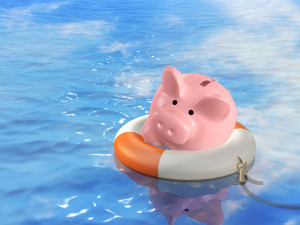 You work hard for the money you earn, so saving money might not be a priority. However, it is important that you have an emergency fund in case the unexpected should occur. My mentor and first boss at my management training program taught me these five reasons you should have emergency savings.
1. You lose your job: With the struggling economy, companies are being forced to lay off employees. Just because you are an outstanding employee does not mean you are not susceptible to unemployment. In addition, you could be the victim of health issues, so you cannot work. Whatever the reason, having an emergency fund will help pay the bills while you are not working.
2. Medical Bills: You never know when you will encounter a major medical condition. You could be diagnosed with a disease, or you could be in an accident that could result in serious injuries. Your medical insurance will only last for so long before you are required to pay the bill. A savings fund will help you pay the mortgage and other bills, so you can avoid foreclosure.
3. Your car decides to quit: You are driving down the road, and you hear a loud clanging noise. You take your car to the mechanic, and the news is not good. You must have a car to get to work or to the store. You will then decide if it will be cheaper to get the car repaired or just buy a new one. Your emergency savings account will prevent you from going into debt.
4. A family member dies: If a loved one dies and you need to get to the funeral, you can dip into your emergency savings to purchase a plane ticket. If you drive, gas is expensive, so you will need extra money to cover the cost. You might also need to help cover funeral and burial expenses.
5. Home Repairs: Your air conditioning goes out in the middle of the summer, or your roof starts leaking during a flood. Your refrigerator might decide to quit working. In addition, you never know when your home insurance might suddenly increase. By having emergency savings, you will be able to pay the bill without putting it on your credit card or taking out a loan.
Emergency savings can prevent you from having serious debt problems or from selling off your assets. If you have invested in gold for instance then that’s something you want to be able to hold on to. You can use the money from your savings account rather than going deeper into debt. Saving money is important to prevent financial problems.
Tags:
budgeting,
economy,
financial planning,
Funding,
money,
savings
March 13, 2013
 Any parent will understand the need for careful financial planning to safeguard future prospects. Investing in the future of our children, whilst sometimes can be a financial strain on the household budget, can also teach them about money and all things related. The lack of education surrounding money matters leads to an unawareness of the value of money and how financial planning can assist day to day life and future endeavours. It is the role of the parent, to begin early, to ensure a brighter future possible for their child.
Money Education –
Educating children on all things money related can be quite difficult. Whilst they may want to spend their readily available cash on a new computer game, a parent can teach their child about finances early on with the help of a savings account. Whilst the child may not be overly enthusiastic about this idea at first, the long term possibilities of having a good financial start to their future will stand them in good stead.
A savings account for a child is an important tool to help them see how money can grow. The decision to put a little by every month into this account should be budgeted for, but money received for birthdays and holidays can be deposited too. Whilst the overall control of the account would remain with the parent, the child can be shown how their little ‘nest egg’ is growing, building a possible university or first car fund.
Invest in Child Education Plans –
With the cost of attending university running into tens of thousands of pounds, it has never been more important to begin a fund as soon as possible; to enable your child to have more options. Whilst this financial planning may have been reserved for the upper classes at one point, it is now deemed as an essential part of investing in your children’s future, regardless of class. It is true that unfortunately some parents may not be able to afford this planning, which is now considered a luxury. Any small amount adds up to ensure your child can have a brighter future.
Make Provisions –
The cost of raising children can run into hundreds of thousands. Whilst it is true that it is not always possible to plan for all eventualities, an emergency fund can come in pretty handy. School trips, hospital stays, computing equipment and extra tuition can all add, to an already tight budget. Unfortunately, they can all come with very little to no notice. By putting a little aside every month, a parent can provide for many eventualities in life which haven’t been planned for.
Children Learn by Example –
A child will often see many things that may not be actually said. They are increasingly aware of their surroundings, the atmosphere and any potential conflict or stress. Parents often do not realise that children take many memories of their childhood with them, often shaping who and what they become. If a parent is a careful money planner, explaining the reasons behind it, a child will grow to be aware of the importance of money and financial planning.
Children may not understand when they are little, the value of money and how to plan for the future. That is expected and understandable. Subconsciously, the lesson will be taught through the actions of the parents, how they cope financially, how they save and how bills are paid. Saving for a treat over a period of time can be a valuable lesson to children about the importance of money and how it can grow. Planting the seed early can ensure a well educated and finance ready child growing into adulthood.
Tags:
Child Investment,
financial planning,
money,
savings
March 6, 2013
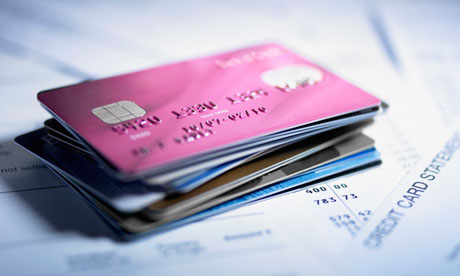
 A credit card is a form of loan, albeit one involving more flexible terms and smaller sums of money than a personal loan or a mortgage. However, like other types of loans, credit cards also have interest rates. You need to understand more about how interest rates work, and how they will affect you and your finances, before taking out a credit card.
Why interest rates can be confusing
At the moment, credit card issuers can choose one of 14 different methods for charging interest. These methods involve calculating interest in different ways. So, if you have two credit cards which seem to have the same interest rates and you use them in exactly the same way, one could cost you more because the provider has decided to use a different method to work out that interest.
APR
Another reason why interest rates are confusing is because the industry uses acronyms such as APR to talk about interest. APR (Annual Percentage Rate) is a standard way to work out the cost of credit, taking into account the interest rate and any other charges. This rate shows you how much it will cost to borrow money over the course of a year.
It should be the case that credit cards with lower APRs give you the best deal, but it doesn’t always work out that way. This is because many cards start and stop charging interest on transactions at different times. However, most lenders offer a ‘typical APR’ when advertising credit cards. This is because when you apply for a credit card, you may be offered a rate based on your credit history and personal circumstances. According to a Guardian factsheet, banks only have to offer their advertised APR or a better rate to 66% of potential customers.
When interest rates will affect you
If you pay your balance off in full every month, you probably won’t need to worry about interest rates. However, interest rates will affect you if:
You only make minimum payments off your total balance every month
You pay anything less than the full balance each month
You use your credit card to take money out of a cash machine
If you meet any of these criteria, you should be looking to find the lowest interest rates when carrying out a credit card comparison. If you do your research and take the time to work out how much a credit card will cost you in the long term, you are likely to end up with a good deal and a way of borrowing money that suits you.
Tags:
credit,
Credit Card,
debt,
financial planning,
Interest Rates,
money,
Rates



 What springs to mind when you think of the perfect wedding? If you’re a woman, it may be your dress, the flowers or your first dance. If you’re a man it might be the car you’ll arrive in, the colour of your cummerbund, or not falling over during your first dance. But one thing that no-one likes to think about – but which no-one can ultimately avoid dealing with – is figuring out how much your dream wedding is going to cost.
 admin •
  8:21 am •




Recent Comments